
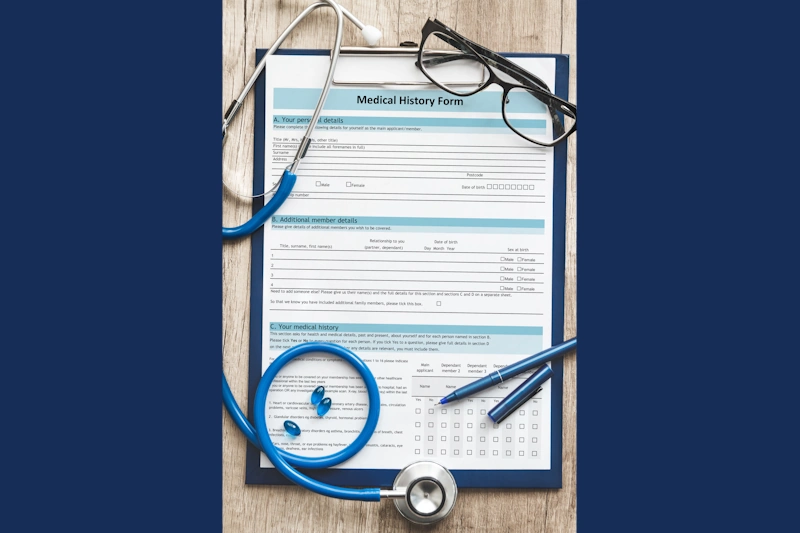
An emergency medical card can be a lifesaving tool, especially when you’re unable to communicate your needs in a crisis. For transgender individuals, having accurate medical and identity information readily accessible ensures care that is both safe and respectful. This simple step in preparedness empowers you to protect your health and dignity no matter the circumstances.
Why Every Transgender Person Should Have an Emergency Medical Card
Every transgender person should have an emergency medical card. It provides essential information that can guide accurate, respectful care. An emergency medical card is a small, portable document. You can keep it in a wallet, phone case, or bag. It lists crucial details such as medical conditions, medications and allergies. It should also include emergency contacts and relevant gender identity information like affirmed name and pronouns.
This tool is very important for everyone. Having clear, accessible health information helps prevent mistakes. It also reduces the chance of misgendering, and ensures that care teams understand factors such as hormone therapy, surgical history, or anatomy-related considerations. All of these may affect treatment. Ultimately, an emergency medical card supports both safety and dignity. It helps transgender individuals receive competent, affirming care even in high-stress, time-critical moments.
What to Include on Your Emergency Medical Card
An effective emergency medical card should include your current legal name and your chosen name (if different). It should also state your pronouns, so responders know how to address you respectfully. It should also list key medical details. These details should be surgical history and current medications, including hormone replacement therapy. You should also list any allergies or chronic conditions that could affect medical care.
Adding a preferred emergency contact helps medical teams quickly reach someone who understands your needs. Keeping this information concise but complete helps avoid confusion in high-stress situations. This gives responders the context they need without overwhelming them. Be sure to review and update your card regularly as your medications, procedures, or contacts change. You'll need it to be accurate when you need it most.
How to Store and Access Your Information
You can store your emergency medical card in several convenient ways. Just make sure it's always accessible when needed. Many people keep a printed version in their wallet, phone case, or a visible lanyard. First responders are trained to check in these places. Digital options also offer quick access even if you're separated from your bag or wallet. These include medical ID apps, phone lock-screen medical info, or a digital wallet card. You can also keep a copy in a secure cloud-based folder that trusted family members or caregivers can reach in an emergency.
Having multiple forms of accessibility helps ensure that critical health information is available no matter the situation. Sharing your card with trusted contacts or healthcare providers adds an extra layer of security and preparedness.
Protecting Your Privacy While Staying Prepared
Protecting your privacy while staying prepared is important. Transgender individuals may have understandable concerns about disclosure in emergency settings. The key is to balance safety with confidentiality. Only include the information that is medically necessary on the card itself. These details will help guide urgent treatment without oversharing.
More sensitive or expansive information can be stored securely elsewhere. You can store this information in a password-protected file or trusted digital health app.
If it feels safer, you can use gender-neutral language or initials for certain sensitive items. However, also indicate where first responders can find fuller details. This approach helps you maintain control over your personal information. It also ensures you're still protected and prepared in an emergency.
Empowering Confidence and Safety Through Preparation
Empowering confidence and safety begins with preparation. An emergency medical card is a simple yet powerful way to protect both your health and your identity. Gather essential information. Choose accessible storage options. Balance privacy with readiness. All of these steps ensure you receive accurate, affirming care even when you can't speak for yourself.
Treat this card as an ongoing part of your self-care and safety plan. This is something you update as your needs evolve and carry with pride as a tool of self-advocacy. If you're exploring gender-affirming procedures or seeking a supportive healthcare partner, ART Surgical is here to guide you every step of the way.